3 images — click any to expand
Cassiterite
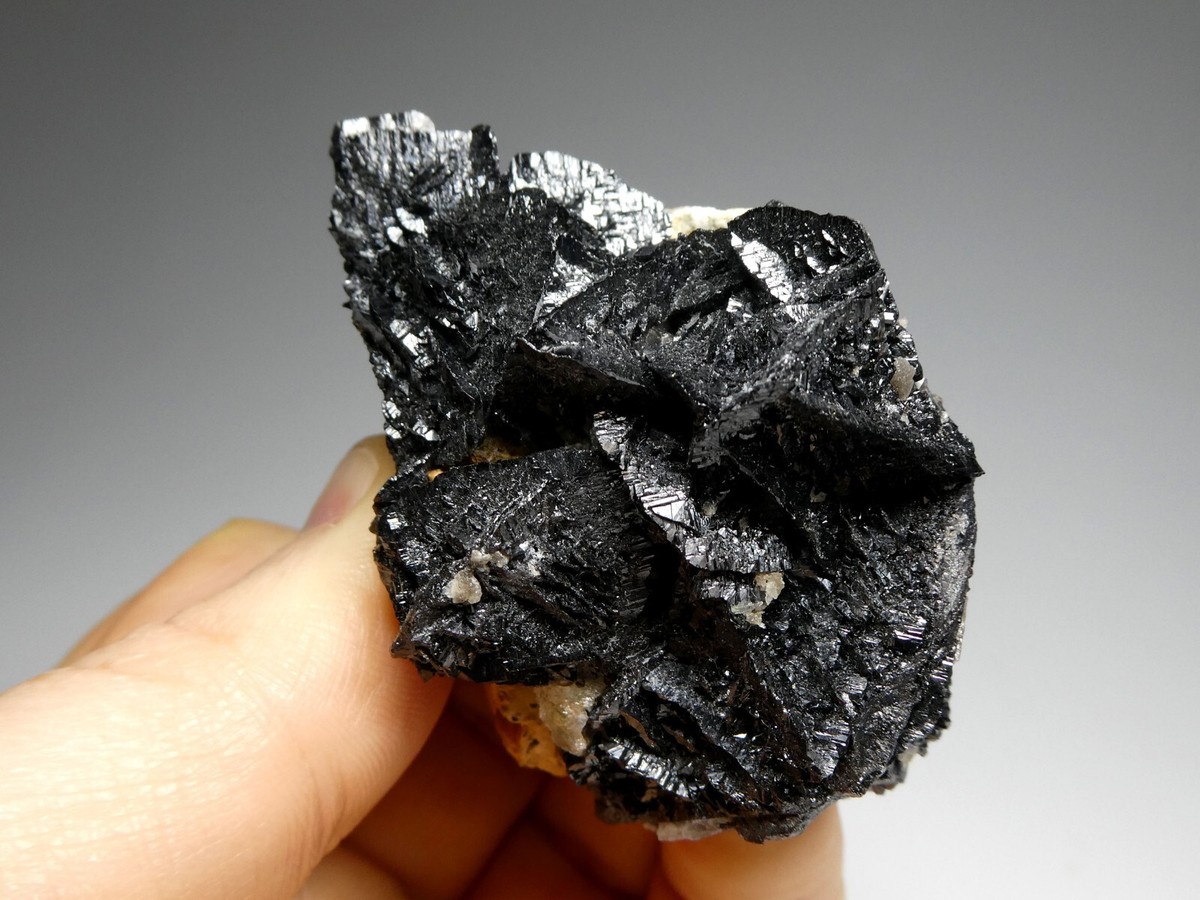
Cassiterite is the primary ore of tin, a crucial metal for the global electronics and manufacturing industries. In Rwanda, it is extracted from hydrothermal veins and quartz-rich deposits found across the country. It is a heavy, dark-colored mineral (tin dioxide) that serves as the essential feedsto
Geological Context: It is typically found in quartz veins associated with granitic rocks. Because it is highly resistant to weathering, it is often found in both "primary" deposits (in rock) and "secondary" deposits (alluvial/riverbeds), making it relatively accessible for both artisanal and mechanized mining. Extraction & Processing: Unlike more complex minerals, cassiterite is heavy ($SG \approx 7$), allowing for efficient separation using gravity-based methods like shaking tables, spirals, and sluicing. Once separated from lighter waste rock, it is concentrated into high-grade ore. Traceability: Because cassiterite is a 3T mineral, every step of its extraction and export is monitored through international traceability schemes (such as iTSCi). This ensures the product is conflict-free, which is a mandatory requirement for buyers in the global electronics supply chain (e.g., semiconductor and circuit board manufacturers).
Specifications
Primary MineralCassiterite ($SnO_2$)Commercial Grade65% – 72% Sn content (Concentrate)FormDense, heavy, dark-brown or black crystalline grainsKey ImpuritiesArsenic (As), Sulfur (S), and Iron (Fe) — penalties are applied if these levels are too high.